
Horse Blanket Guide: A Comprehensive Overview (Updated 10/02/2026)
Google Translate facilitates translating handwritten text‚ voice‚ photos‚ and websites into over 200 languages‚ offering accessibility and convenience for global communication.
Understanding Blanket Weights
Horse blanket weights are crucial for appropriate temperature regulation. Lighter weights‚ typically ranging from 0 to 100 grams‚ are suitable for mild weather or as a liner under heavier blankets. Medium-weight blankets‚ around 200-300 grams‚ provide warmth for cool temperatures‚ ideal for fall and spring.
Heavier blankets‚ exceeding 300 grams‚ are designed for colder climates and offer substantial insulation. Denier‚ a unit measuring fiber density‚ also impacts warmth; higher denier generally means greater durability and warmth. Selecting the correct weight depends on the horse’s breed‚ age‚ health‚ and the prevailing weather conditions‚ ensuring comfort and preventing overheating or chilling.
Blanket Materials: Pros and Cons
Blanket materials significantly impact performance and cost. Ripstop nylon offers excellent durability and water resistance but can be prone to static. Polyester is affordable and breathable‚ though less durable than nylon. Canvas provides robust protection but is heavier and slower to dry.
Wool blankets are naturally breathable and warm‚ but require careful maintenance. Newer synthetic fills like polyfill offer warmth without the weight of traditional materials. Each material presents trade-offs; nylon excels in durability‚ polyester in affordability‚ and wool in natural insulation. Choosing the right material depends on your horse’s needs and your budget.
Types of Horse Blankets
Horse blankets cater to diverse needs. Stable blankets provide indoor warmth‚ typically lighter weight and without waterproof features. Turnout blankets are designed for outdoor use‚ offering waterproof and durable protection against the elements. Fly sheets‚ constructed from breathable mesh‚ shield against biting insects during warmer months.
Rain sheets offer lightweight waterproof protection‚ ideal for drizzly conditions. Selecting the appropriate type depends on the weather and your horse’s living situation. Understanding these distinctions ensures your horse remains comfortable and protected‚ regardless of the environment. Proper blanket selection is crucial for their well-being.
Stable Blankets: Indoor Protection
Stable blankets are specifically designed for use while a horse is housed in a barn or stable. They provide a comfortable layer of warmth without the need for waterproof or heavy-duty materials. Typically lighter in weight than turnout blankets‚ they allow for freedom of movement and prevent overheating.
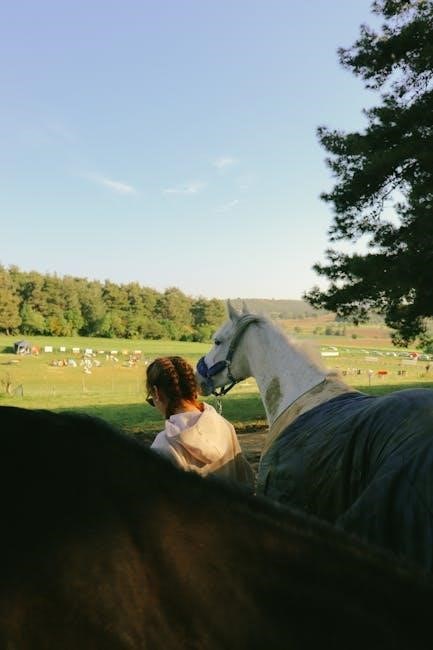
These blankets are ideal for clipped horses during colder months or for horses that require extra warmth due to age or health conditions. They often feature secure chest closures and tail straps to keep them in place. Choosing the right weight stable blanket ensures your horse stays cozy and comfortable indoors.
Turnout Blankets: Outdoor Durability
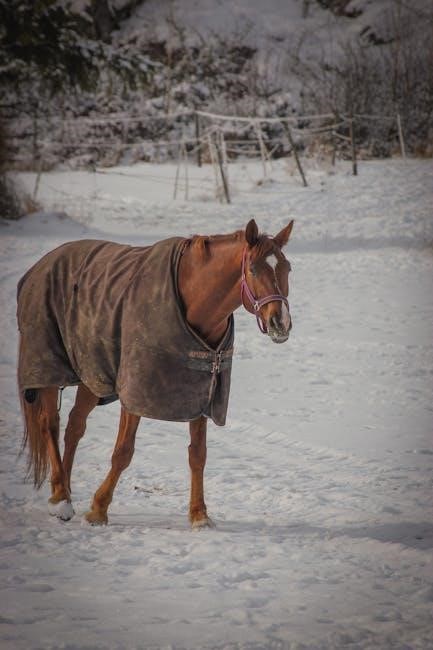
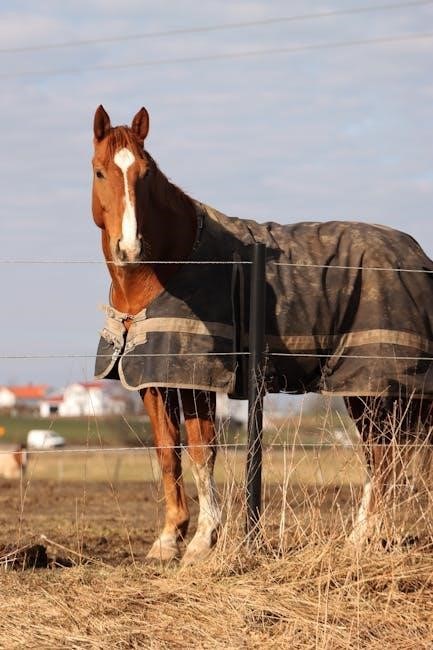
Turnout blankets are built to withstand the rigors of outdoor use‚ offering waterproof and durable protection from the elements. Constructed from heavier-duty materials like denier nylon‚ they shield horses from rain‚ wind‚ and snow while allowing for comfortable movement in the pasture.
These blankets are essential for horses that need to maintain body condition during colder weather or those who have been clipped. Look for features like reinforced shoulders‚ secure closures‚ and breathable materials to prevent overheating and ensure a snug‚ lasting fit. Proper turnout blanket selection is crucial for outdoor horse comfort.
Fly Sheets: Summer Comfort
Fly sheets provide a lightweight barrier against pesky insects‚ offering horses relief from irritating bites and reducing the risk of insect-borne diseases. Typically made from breathable mesh materials‚ they allow for excellent airflow‚ keeping horses cool and comfortable even on hot summer days.
These sheets often cover the body‚ neck‚ and belly‚ offering comprehensive protection. Features like belly bands and tail covers further enhance their effectiveness. Selecting the right fly sheet can significantly improve a horse’s quality of life during warmer months‚ allowing them to graze and exercise peacefully.
Rain Sheets: Waterproof Protection
Rain sheets are essential for keeping horses dry and comfortable during wet weather. Constructed from waterproof and breathable materials like nylon or polyester with a waterproof coating‚ they shield against rain while allowing moisture vapor to escape‚ preventing overheating. These sheets typically cover the body‚ offering full protection from the elements.
Look for features like taped seams and waterproof closures to ensure maximum protection against leaks. Some rain sheets also include a neck cover for added defense. Properly fitted rain sheets are crucial for maintaining a horse’s health and well-being during inclement weather‚ preventing chills and discomfort.
Blanket Sizing: Getting the Right Fit
Accurate sizing is paramount for horse blanket comfort and effectiveness. Blankets are typically measured in inches from the horse’s withers to the tailhead. Measure your horse carefully‚ and round up to the nearest increment if the measurement falls between sizes.
Common sizes range from 68″ to 84″‚ but variations exist. Consider the horse’s build; a wider-bodied horse may need a wider blanket. Proper fit allows freedom of movement without shifting or rubbing. A snug fit at the chest prevents wind from getting underneath‚ while sufficient coverage at the tailhead is essential for complete protection.
Blanket Features to Consider
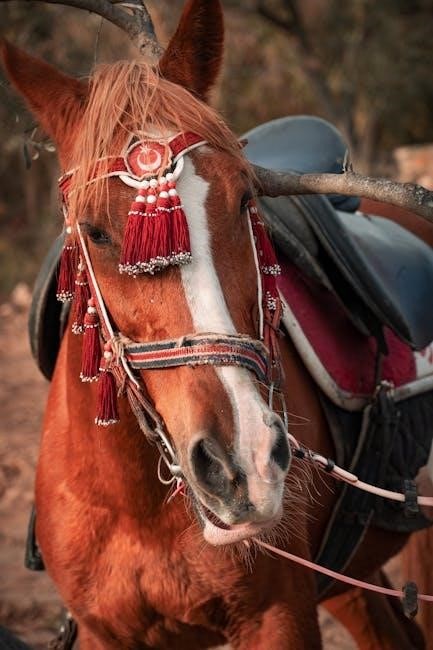
Beyond basic coverage‚ several features enhance blanket functionality. Neck coverage options include no neck‚ standard‚ and extended‚ catering to varying climates and horse preferences. Tail coverage varies from standard flaps to T-bar closures or no flap at all‚ impacting protection and ease of movement.
Closure systems—buckles‚ Velcro‚ and surcingles—influence security and adjustability. Consider the ease of use and durability of each system. Reflective strips improve visibility in low-light conditions‚ enhancing safety. Features like belly bands provide extra security and prevent shifting‚ ensuring a comfortable and effective fit for your horse.
Neck Coverage Options: No Neck‚ Standard Neck‚ Extended Neck
Blanket neck styles significantly impact warmth and freedom of movement. “No neck” blankets are ideal for mild weather or horses that overheat easily‚ allowing full range of motion. Standard neck blankets offer basic coverage‚ suitable for moderate temperatures and general use‚ fitting snugly around the base of the neck.
Extended neck blankets provide increased protection against cold‚ wind‚ and rain‚ extending higher up the neck. These are beneficial for horses prone to neck soreness or those exposed to harsh conditions. Choosing the right neck style depends on climate‚ horse’s individual needs‚ and activity level.
Tail Coverage: Standard‚ T-Bar‚ No Tail Flap
Tail flap designs influence blanket fit and protection. Standard tail flaps offer full coverage‚ shielding the tail from weather but potentially collecting mud and manure. T-bar closures feature a central strap‚ allowing the tail to pass through while maintaining some protection and reducing debris accumulation.
Blankets with no tail flap are best for horses who dislike the feeling of restriction or in very mild climates. They offer maximum freedom of movement but minimal protection. Consider your horse’s preference and the prevailing weather conditions when selecting tail coverage‚ ensuring comfort and functionality.
Closure Systems: Buckles‚ Velcro‚ Surcingles
Blanket closures secure the fit and prevent shifting. Buckles offer durability and adjustability‚ allowing for a precise fit‚ but can be time-consuming to fasten. Velcro closures are quick and easy to use‚ ideal for frequent on/off‚ but may lose effectiveness over time with dirt accumulation.
Surcingles‚ elastic or webbing straps that run under the horse’s belly‚ add an extra layer of security‚ preventing the blanket from blowing off or shifting sideways. Combinations of these systems – buckles with surcingles‚ for example – provide optimal security and convenience. Choose closures based on your needs and horse’s temperament.
Blanket Denier and Waterproof Ratings
Denier measures fabric thread density; higher denier indicates a more durable‚ heavier fabric. For turnout blankets‚ 600D or higher is common for robust weather protection. Waterproof ratings‚ measured in millimeters (mm)‚ indicate a fabric’s resistance to water penetration.
A rating of 3‚000mm offers good water resistance‚ suitable for light rain‚ while 5‚000mm or higher provides excellent waterproof protection for heavy‚ prolonged rainfall. Breathability is also crucial; a waterproof blanket should allow moisture vapor to escape‚ preventing overheating and discomfort for the horse. Consider both denier and waterproof ratings when selecting a blanket.
Blanket Care and Maintenance

Regular cleaning extends blanket life and maintains hygiene. Washing instructions vary; some blankets are machine washable‚ while others require hand washing to preserve waterproofing. Always use a horse-specific detergent‚ avoiding harsh chemicals. Inspect blankets regularly for minor damage like small tears or loose straps.
Repairing these promptly prevents larger issues. Proper storage is vital; ensure blankets are completely dry before storing in a cool‚ well-ventilated area to prevent mold and mildew. Following these steps ensures your horse’s blanket remains effective and comfortable throughout the season.
Washing Instructions: Machine vs. Hand Wash
Machine washing is convenient for durable blankets‚ using a large-capacity machine and horse-specific detergent. A gentle cycle with cold water is recommended‚ followed by thorough rinsing. However‚ hand washing is crucial for waterproof or delicate blankets to preserve their protective layers.
Use a mild detergent and avoid harsh scrubbing. Rinse completely and allow to air dry‚ avoiding direct sunlight or heat. Always check the manufacturer’s label for specific instructions. Proper washing maintains blanket functionality and extends its lifespan‚ ensuring your horse stays comfortable and protected.
Repairing Minor Damage: Patches and Straps
Small tears in blankets can be effectively repaired with heavy-duty patches designed for outdoor fabrics. Ensure the area is clean and dry before applying a waterproof adhesive patch‚ securing it firmly. Broken straps or buckles are common issues; replace them with durable‚ horse-safe alternatives readily available at equestrian supply stores.
Reinforce stitching around repaired areas for added strength. Regularly inspect blankets for minor damage and address it promptly to prevent larger‚ more costly repairs. Proactive maintenance extends the blanket’s life and ensures continued protection for your horse.
Proper Storage Techniques: Preventing Mold and Mildew
Thoroughly clean and dry blankets before storing them to prevent mold and mildew growth. Ensure they are completely free of moisture‚ as dampness fosters fungal development. Store blankets in a well-ventilated area‚ avoiding tightly sealed containers that trap humidity.
Use breathable storage bags‚ like cotton or mesh‚ to allow air circulation. Consider adding desiccant packets to absorb any residual moisture. Regularly check stored blankets for signs of mold or mildew‚ and address any issues promptly. Proper storage preserves blanket quality and extends its lifespan.
Blanket Layering for Different Temperatures
Layering blankets allows for adaptable warmth as temperatures fluctuate. A light liner provides a base layer‚ adding minimal warmth. For cool days (40-50°F)‚ combine a liner with a lightweight blanket. Colder temperatures (20-40°F) necessitate a medium-weight blanket or layering a liner with a heavier option.
During freezing conditions (below 20°F)‚ utilize a heavy-weight blanket‚ potentially with a liner for extra insulation. Monitor your horse’s comfort; shivering indicates insufficient warmth‚ while sweating suggests overheating. Adjust layers accordingly to maintain optimal temperature regulation.
Common Blanket Problems and Solutions
Rubbing and sores often occur due to poor fit; ensure proper sizing and consider a fleece liner. Shifting blankets can be secured with extra surcingles or a well-fitted breastplate. Leaks indicate compromised waterproofing – re-waterproof the blanket or consider a more durable material.
Regularly check for tears and repair them promptly with patches or durable tape. Inspect buckles and straps for damage‚ replacing them as needed. Addressing these issues proactively prevents discomfort and maintains blanket effectiveness. Proper maintenance extends blanket life and ensures your horse remains comfortable and protected.
Rubbing and Sores: Prevention and Treatment
Prevention centers on proper fit – a blanket that’s too tight or loose will cause friction. Utilize fleece liners at the shoulders and chest to minimize rubbing. Regularly check for pressure points‚ especially during initial use. Treatment begins with removing the blanket and cleaning the affected area with a mild antiseptic.
Allow the sore to air dry‚ and consider applying a soothing balm. If the sore is severe or doesn’t heal‚ consult a veterinarian. Reintroduce the blanket slowly‚ monitoring for recurrence. Adjusting the fit or adding extra padding can prevent future issues‚ ensuring your horse’s comfort.
Shifting Blankets: Securing the Fit

Addressing shifting requires a multi-faceted approach. Ensure the blanket is correctly sized; a too-large blanket will inevitably slide. Tighten all straps – front closures‚ surcingles‚ and tail cords – but avoid over-tightening‚ which can cause discomfort. Consider a blanket with a wider belly wrap for increased stability.
Regularly check the blanket’s position‚ especially after vigorous activity. Layering with a smoother under-blanket can reduce friction. If shifting persists‚ explore blankets with innovative designs‚ like those featuring a V-front closure. A well-fitted blanket stays put‚ providing consistent warmth and protection.
Leaks and Waterproofing Issues
Waterproofing degrades over time with use and washing. Regularly inspect blankets for wear and tear‚ paying close attention to seams and fabric. Re-waterproof blankets periodically using a specialized equestrian blanket waterproofing spray or wash-in treatment. Ensure the blanket is clean before applying any waterproofing product.
Leaks often occur around seams‚ closures‚ or areas of high friction. Patch small holes immediately with a waterproof repair tape. Consider blankets with higher denier ratings for enhanced durability and water resistance. Proper care‚ including regular cleaning and re-waterproofing‚ extends the life and effectiveness of the blanket’s waterproof layer.
Blanket Brands: Popular Choices and Reviews
Several brands consistently receive positive reviews within the equestrian community. Rambo blankets are known for their durability and innovative features‚ often at a higher price point. WeatherBeeta offers a range of options‚ balancing quality and affordability. Bucas provides specialized blankets‚ including those for horses prone to overheating.
Kentucky Horsewear is praised for its stylish designs and comfortable fit; Amigo blankets are a popular choice for turnout‚ offering reliable waterproofing. Reading independent reviews and considering your horse’s specific needs are crucial when selecting a brand. Consider factors like fit‚ durability‚ and features when making your decision.
Cost Considerations: Budget vs. Quality
Horse blanket prices vary significantly‚ ranging from budget-friendly options under $100 to high-end blankets exceeding $300. While a lower price point may be tempting‚ investing in quality often proves more cost-effective long-term. Cheaper blankets may lack durability‚ waterproofing‚ or a proper fit‚ leading to frequent replacements.
Higher-quality blankets utilize more durable materials and construction‚ offering better protection and longevity. Consider your horse’s needs and climate when determining your budget. A horse requiring a heavy-duty winter blanket will necessitate a larger investment than one needing a light fly sheet. Prioritize fit and functionality over solely focusing on price.
Blanket Safety: Avoiding Entanglement Hazards
Horse blanket safety is paramount; entanglement can lead to serious injury. Regularly inspect blankets for loose straps‚ frayed edges‚ or tears that could pose a hazard. Ensure proper fit – a blanket that’s too loose increases the risk of leg entanglement. Utilize appropriate closure systems‚ like surcingles and buckles‚ and verify they function correctly.
Avoid blankets with excessively long tail flaps‚ especially for young or inexperienced horses. Supervise horses during initial blanket use to observe their reaction and ensure they aren’t becoming tangled. Consider reflective strips for increased visibility in low-light conditions‚ enhancing overall safety.
Specialty Blankets: Considerations for Specific Needs
Specialty blankets cater to unique equine requirements. Senior horses may benefit from blankets with reduced pressure points and easier fastening systems‚ accommodating mobility limitations. Horses with allergies often require hypoallergenic materials like natural fibers‚ minimizing skin irritation and reactions.
Consider blankets designed for horses prone to rubbing‚ featuring smooth linings and contoured designs. Post-surgical horses need blankets that won’t interfere with wound care‚ often utilizing breathable‚ easily sanitized fabrics. Blankets with UV protection are ideal for horses sensitive to sunlight. Careful consideration ensures optimal comfort and well-being.
Blankets for Senior Horses
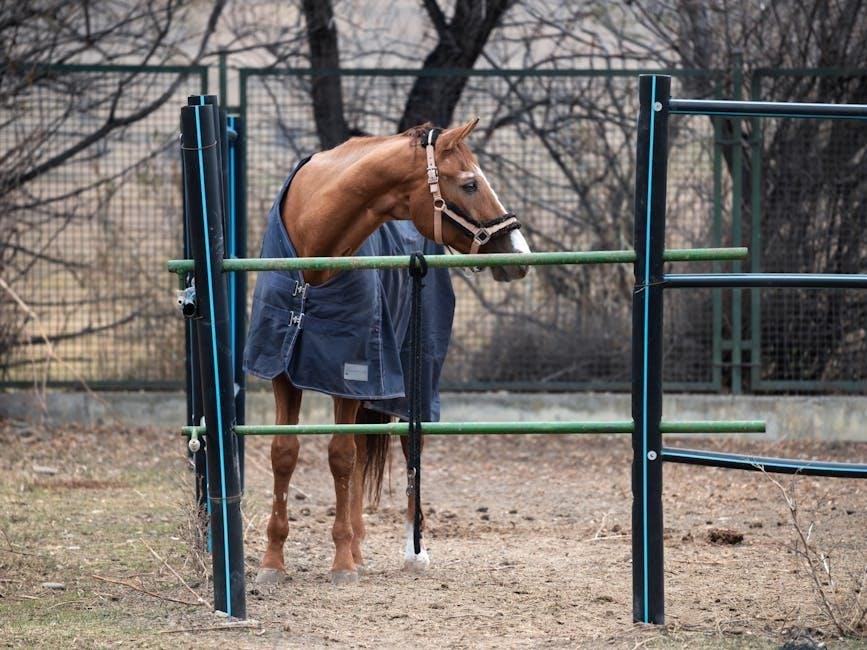
Senior horses often experience age-related challenges impacting blanket fit and comfort. Look for blankets with secure‚ yet gentle‚ closure systems – buckles or surcingles are preferable to complex straps. Prioritize blankets offering reduced pressure points‚ especially across the shoulders and chest‚ to avoid discomfort or sores.
Consider blankets with a higher denier for increased durability‚ as senior horses may be less able to tolerate minor tears. Breathable materials are crucial to prevent overheating. Ensure the blanket isn’t overly heavy‚ and ease of application is paramount for caretakers. A comfortable‚ well-fitting blanket enhances their quality of life.
Blankets for Horses with Allergies
Horses prone to allergies require careful blanket selection to minimize irritation. Opt for blankets constructed from hypoallergenic materials like natural fibers – cotton or bamboo – avoiding synthetic fabrics that can trigger reactions. Smooth inner linings reduce friction and potential skin abrasions.
Prioritize blankets easily washable in hot water to eliminate allergens like dust mites and pollen. Avoid blankets with excessive stitching or embellishments where allergens can accumulate. Regularly cleaning the blanket and the horse’s coat is essential. Consider blankets with breathable waterproof layers to prevent moisture buildup‚ fostering a healthy skin environment.