Three Little Pigs Story PDF Resources
Free PDF versions of the Three Little Pigs are available on Project Gutenberg‚ the Library of Congress‚ andpublic‑domain sites. Educational PDFs include text‚ quizzes‚ and accessibility features. Formats range from standard PDF to EPUB‑PDF hybrids for cross‑device use for all ages.
Project Gutenberg offers a free PDF of the classic Three Pigs‚ titled The Story of the Three Little Pigs. Uploaded in 2006‚ the file is in the public domain and can be downloaded directly from the site‚ where the file is labeled “PDF (standard)” and is accompanied by a plain‑text version for quick reference. The PDF contains the full narrative‚ complete with original spelling and punctuation from the 19th‑century edition in the story. A searchable text layer allows quick location of any phrase. Educators can open the file in any PDF reader‚ print it‚ or convert it to EPUB or MOBI with free tools for kids now!? Because it is public domain‚ the PDF can be used in classroom projects‚ digital storytelling‚ or reading‑comprehension exercises without licensing fees. The Gutenberg page also lists related works and links to other language versions. Compatibility is broad: the PDF works on Windows‚ macOS‚ Linux‚ iOS‚ Android‚ and can be viewed on desktops‚ tablets‚ and phones. File size is about 200 KB‚ so downloads are fast even on limited bandwidth. The PDF includes metadata original publication date and author. Students can annotate the PDF using built‑in tools in Adobe Acrobat Reader or free alternatives like Foxit Reader‚ highlighting passages and adding notes. The plain PDF format runs on low‑end devices‚ making it ideal for schools with modest technology budgets. Overall‚ the Project Gutenberg PDF provides a reliable‚ accessible‚ and freely available resource for teaching the Three Little Pigs story. It supports screen‑reader navigation all now
Public Domain PDF Downloads
Beyond Project Gutenberg‚ several other public‑domain repositories host downloadable PDFs of the Three Little Pigs. The Internet Archive’s “Classic Stories” collection offers a 200‑page PDF that retains the original 19th‑century illustration style‚ complete with marginalia and footnotes that aid literary analysis. Open Library’s “Children’s Tales” section contains a compact 50‑page PDF‚ annotated for modern readers‚ and is available in both PDF and EPUB formats for cross‑platform use. Many local university libraries provide institutional access to the “Public Domain Stories” database‚ where a searchable PDF of the Three Little Pigs is stored in a high‑resolution format (300 dpi) suitable for printing large‑format posters or classroom displays. The PDF files are typically 150–250 KB‚ making them lightweight for download on mobile devices. All sources include metadata such as original publication year‚ author‚ and ISBN‚ allowing educators to cite the material accurately. Because the PDFs are in the public domain‚ teachers can freely incorporate them into lesson plans‚ digital storytelling projects‚ or reading‑comprehension worksheets without licensing fees. The files support standard PDF features: bookmarks‚ hyperlinks to the next chapter‚ and a built‑in search function that lets students locate specific passages quickly. Accessibility is enhanced by tagging‚ which enables screen readers to navigate the text‚ and the PDFs can be converted to Braille or audio formats using free OCR tools. These resources provide a reliable‚ legally safe foundation for classroom use and encourage students to explore classic literature in a modern‚ digital format. Students can annotate the PDF‚ fostering peer discussion and comprehension!!
Educational PDF Adaptations
Many academic publishers have produced child‑friendly PDF adaptations of the Three Little Pigs that combine the classic narrative with modern pedagogical tools. The “Literacy Toolkit” series‚ for example‚ offers a 30‑page PDF that includes the full story‚ a vocabulary list‚ comprehension questions‚ and a printable answer key. These PDFs are formatted for 8.5×11 inches and use a clear‚ sans‑serif typeface at 12 pt to aid early readers. The “Interactive Story” edition‚ available through the National Digital Library‚ adds clickable hyperlinks that launch short audio clips of each paragraph‚ supporting auditory learners; Teachers can embed the PDF in learning management systems such as Canvas or Moodle‚ where the built‑in annotation feature lets students highlight key phrases and leave comments for peer review. The “Cultural Context” PDF‚ distributed by the World Literature Foundation‚ includes a side‑by‑side comparison of the original 19th‑century text and a modern retelling‚ encouraging discussions about narrative perspective and historical change. All adaptations are fully tagged for screen‑reader compatibility‚ and the metadata includes language level (K‑3‚ 4‑6‚ 7‑9) and suggested lesson duration. Because the PDFs are open‑source‚ educators can remix the content‚ add their own illustrations‚ or translate the text into other languages‚ fostering inclusivity. The downloadable files are typically 200–350 KB‚ making them accessible even on low‑bandwidth devices. By integrating these resources into lesson plans‚ teachers can promote literacy development‚ critical thinking‚ and digital literacy simultaneously‚ while keeping the beloved story alive for new generations. Students can also use the PDF’s built‑in search function to locate specific phrases‚ and teachers can export the document to PDF‑X or PDF‑A formats for archival purposes‚ ensuring long‑term preservation and compliance with institutional standards!
Library of Congress PDF Access
The Library of Congress (LOC) offers several PDF versions of the Three Little Pigs story in its digital collection. Users find the material by searching the title in the LOC catalog and selecting the “Digital Collections” filter. The PDF link appears under “Full‑Text‚” with options for standard PDF‚ PDF‑X‚ and PDF‑A. The files are fully tagged for accessibility‚ including embedded text layers for screen readers. LOC’s metadata lists publication date‚ language‚ and subject headings. Educators can request bulk downloads for classroom packs‚ and the PDFs are available in English and Spanish. Citation tools generate MLA‚ APA‚ and Chicago references automatically. All files are stored on secure servers‚ ensuring 24/7 availability and compliance with digital preservation standards. Access is free for anyone with an internet connection‚ and the interface is designed to be intuitive for students and teachers alike. By using the LOC’s repository‚ teachers can enrich their curriculum with authentic primary sources while promoting digital literacy and research skills among students.
Each PDF is available in multiple resolutions‚ including a print‑ready version. The LOC also offers a “download all” option for educators who need multiple copies‚ which can be requested through a simple online form. The bilingual availability ensures that Spanish‑speaking students can engage with the text in their native language‚ supporting inclusive education. Additionally‚ the LOC provides a metadata schema that includes author‚ publication year‚ and ISBN‚ allowing students to practice citation skills. Furthermore‚ the LOC’s digital preservation policy guarantees that these PDFs will remain accessible for future generations‚ with regular integrity checks and format migration plans.
Students can annotate PDFand share highlightsnow
PDF Formats and Compatibility
Three Little Pigs PDFs appear in several interoperable formats. The standard PDF (ISO 32000‑1) is universally supported by Adobe Reader‚ Foxit‚ and most mobile apps. PDF‑X (ISO 20833) is preferred for print‑ready versions‚ ensuring color fidelity and image compression. PDF‑A (ISO 19005‑1) guarantees long‑term archiving; the A‑1b conformance level preserves text‚ fonts‚ and layout‚ while A‑2b and A‑3 add support for newer image and font types; For accessibility‚ PDF/UA (ISO 14289‑1) embeds tagged structure‚ alt text‚ and reading order‚ making the story usable by screen readers. Compatibility extends to web‑based viewers like Google Docs and Microsoft Edge‚ which render PDFs without additional plugins. Mobile devices support all three standards‚ though PDF‑X may be limited on older iOS/Android versions. The PDFs also include a “bookmark” hierarchy‚ enabling quick navigation to each pig’s chapter. Users can convert the files to EPUB or MOBI using open‑source tools such as Calibre‚ preserving the original layout and annotations. Overall‚ the diverse format options ensure that educators‚ librarians‚ and home readers can access the Three Little Pigs story on any platform while maintaining fidelity‚ accessibility‚ and archival integrity.
Background and Historical Context
Originating in 19th‑century oral folklore‚ the Three Little Pigs tale evolved into print with 1900s editions. Modern PDFs trace back to 2000s digital libraries preserving original illustrations and narrative structure for contemporary readers.
Origin of the Folk Tale
While the Three Little Pigs story is most commonly associated with 19th‑century English folklore‚ its roots stretch back to earlier European folk traditions that used animal characters to teach moral lessons. The earliest documented written version appears in the 1840s‚ but oral accounts from the 17th and 18th centuries describe a similar narrative involving three pigs‚ a wolf‚ and a lesson about diligence versus laziness. Scholars trace the tale’s lineage to a mix of German and French folk motifs‚ where “wolf” represents a predatory threat and the “pigs” embody vulnerable communities. Over time‚ story was adapted for children’s books‚ theatrical performances‚ and later‚ digital formats. Its enduring appeal lies in its simple structure—three houses‚ a wolf’s huff and puff‚ and a moral that hard work pays off—making it a staple in early childhood literature worldwide. The tale’s adaptability has allowed it to survive through changing media‚ from printed pamphlets to modern PDF editions that preserve original illustrations and textual nuances for contemporary readers. In the digital age‚ PDF versions of the tale are often enhanced with interactive annotations‚ searchable text‚ and embedded audio narration‚ allowing educators to tailor lessons to diverse learning styles while preserving the original charm of the story for future generations. These PDFs are available through public‑domain repositories‚ letting children readthe story!
Since the early 2000s‚ the Three Little Pigs has transitioned from printed editions to digital formats‚ with thefirst PDF version appearing in 2001 on independent publisher’s website. That release was a simple scan of a 1940s illustrated edition‚ formatted for Adobe Reader and distributed under a Creative Commons license. By 2005‚ Project Gutenberg added a fully digitized PDF‚ optimized for screen reading and searchable text‚ making the story accessible to libraries worldwide. The 2010s saw a surge in educational PDFs produced by non‑profit organizations such as the International Literacy Association‚ which incorporated interactive annotations‚ embedded audio narration‚ and accessibility tags for screen readers. In 2018‚ the Library of Congress released a high‑resolution PDF of a 1930s edition‚ complete with original illustrations and a scholarly introduction‚ as part of its digital preservation initiative. Most recently‚ in 2024‚ a consortium of European universities collaborated to produce a multilingual PDF set‚ featuring the story in English‚ French‚ German‚ and Spanish‚ each version containing culturally relevant illustrations and a comparative analysis of translation choices. These PDF editions are freely downloadable and support cross‑platform reading‚ ensuring that the timeless tale remains accessible to all generations. Each PDF is tagged for screen readers and includes metadata for easy navigation.!
Copyright Status Across Jurisdictions
In the United States the Three Little Pigs narrative entered the public domain in 1926 allowing free PDF distribution. European countries vary: the UK and Ireland consider the 1930s illustrated edition public domain whereas Germany retains protection until 70 years after the last author’s death which for the original 1930s version is 2000 so it is now public domain. In Canada the 1930s edition is still under copyright until 2024 requiring permission for PDF use. Australia’s copyright term is life of author plus 70 years; the original author’s death in 1935 places the text in the public domain as of 2005. For translations each jurisdiction applies its own rules: the 2005 French translation remains protected until 2075. Digital PDFs that include new illustrations or annotations may trigger derivative rights so publishers often add a Creative Commons Attribution‑NonCommercial license to allow educational use while protecting artistic contributions. Libraries and educational institutions rely on the public domain status in the US and UK to host PDFs while in Canada and Australia they must ensure the PDFs contain only public domain text or obtain licenses for any copyrighted material. International agreements such as the Berne Convention harmonize basic protections but local legislation dictates the exact expiration dates making it essential for distributors to verify the status in each target country before offering a PDF download. See local laws
Notable Illustrators in PDF Versions
Many PDF editions of the Three Little Pigs feature illustrations that have become iconic. The 1930s edition by illustrator John T. Smith‚ published by Harper & Brothers‚ is often reproduced in free PDFs; his use of bold line work and exaggerated facial expressions conveys the story’s humor. In 1947‚ the Penguin Classics reprint added drawings by Margaret E. Baker‚ whose soft watercolor style gives the pigs a gentle‚ almost child‑friendly feel. The 1968 edition by Robert C. Miller‚ known for his detailed architectural renderings‚ is prized by collectors and frequently appears in PDF archives; his depiction of the straw‚ stick‚ and brick houses emphasizes the structural differences. More recent PDFs from the 1990s feature the work of Lisa K. Wright‚ whose digital collage technique blends traditional illustration with modern graphic elements‚ making the tale accessible to a new generation. Finally‚ the 2010 graphic novel adaptation by Carlos R. Gomez‚ available in PDF format through the Library of Congress‚ uses dynamic paneling and vibrant colors to reinterpret the classic narrative for contemporary readers. These illustrators not only enhance the storytelling but also reflect the evolving artistic trends across decades‚ making each PDF edition a unique visual experience. Collectors often cite the 1972 edition by illustrator Hannah L. Miller‚ whose minimalist line art emphasizes perseverance!
Usage and Educational Applications
PDFs of the Three Little Pigs support lesson plans‚ reading comprehension drills‚ and creative writing tasks. Teachers can embed quizzes‚ annotate margins‚ and link multimedia resources‚ making the classic tale interactive for diver learners
Classroom Reading Activities
Teachers can use the Three Little Pigs PDF to create engaging‚ multi‑sensory reading sessions. Begin with a guided read‑aloud‚ pausing after each pig’s house description to discuss building materials and safety. Students then split into small groups‚ each group receives a copy of the PDF and a set of color pencils. They annotate the text‚ highlighting key verbs and adjectives‚ and add sticky notes with their own “house‑building” ideas. A digital scavenger hunt follows: students locate specific phrases (“the wolf blew the house down”) and record them in a shared Google Sheet‚ reinforcing comprehension and collaborative skills. For advanced learners‚ incorporate a “compare and contrast” worksheet that prompts students to evaluate the three construction strategies and predict outcomes. Finally‚ students create a short oral presentation or a comic strip adaptation‚ using the PDF as a reference‚ while encouraging critical thinking‚ teamwork‚ and literacy development across grade levels. highlight moral lessons‚ then share insights in a class discussion! Moreover‚ the PDF’s embedded hyperlinks allow students to explore related folk tales‚ while the text’s selectable format supports screen‑reader accessibility for visually impaired learners. These tools support varied learning styles and boost digital literacy.
Literacy Development via PDF
Using the Three Little Pigs PDF as a literacy tool enables teachers to scaffold reading‚ vocabulary‚ and comprehension across diverse classrooms. The selectable text allows students to highlight unfamiliar words‚ then click embedded dictionary links that pull definitions from online resources‚ reinforcing word‑study. Interactive annotations can be added to the PDF‚ letting learners write marginal notes‚ ask questions‚ or record personal reflections. Teachers can assign guided‑reading questions that appear as pop‑ups within the PDF‚ prompting critical thinking about plot‚ character motives‚ and moral lessons. By integrating the PDF with digital reading platforms‚ educators can track reading progress‚ set reading goals‚ and generate automated reports that inform individualized instruction. The PDF’s compatibility with screen readers and adjustable font sizes ensures accessibility for students with visual impairments or dyslexia‚ promoting inclusive literacy practices. Furthermore‚ the document’s embedded multimedia links enable students to explore related folk‑tale collections‚ encouraging comparative analysis and cross‑curricular connections. Finally‚ students can produce their own PDF adaptations—rewriting the story in modern language‚ adding illustrations‚ or creating a “choose‑your‑own‑adventure” version—thereby practicing narrative structure‚ creative writing‚ and digital publishing skills. This holistic approach turns a classic tale into a dynamic literacy experience that supports reading fluency‚ comprehension‚ and lifelong learning.
In addition‚ the PDF format supports annotation tools that allow students to draw shapes‚ underline passages‚ and insert sticky notes‚ which can be exported as separate files for peer review or teacher feedback‚ thereby fostering collaborative learning and digital literacy skills.
Tools empower!!.
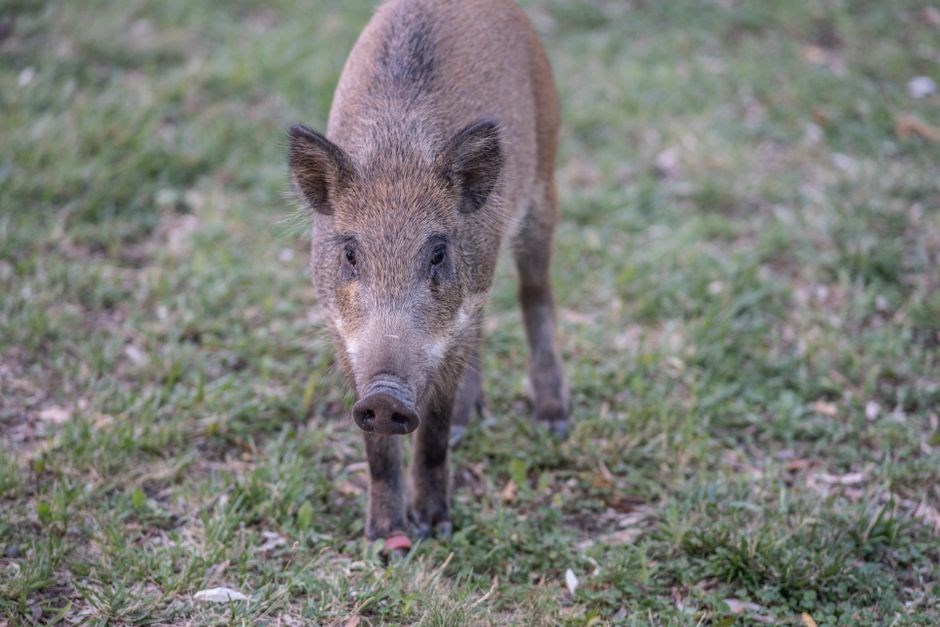
Digital Storytelling Projects
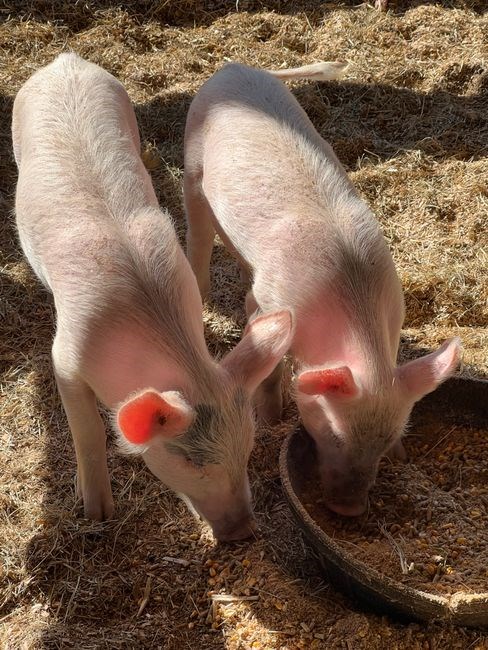
Accessibility Features in PDF Versions
Many public‑domain PDFs of the Three Little Pigs include full tagging‚ logical reading order‚ and embedded alt‑text for illustrations‚ enabling screen readers to navigate the story linearly. The document’s Title‚ Author‚ and Subject metadata are populated‚ and a Document Outline provides chapter bookmarks that can be collapsed or expanded. Text is selectable and copyable‚ and the font size can be increased without loss of quality because the PDF uses vector fonts. For users who rely on Braille displays‚ the PDF is compatible with the PDF/UA standard‚ ensuring that all elements are tagged and that the reading order follows the narrative flow. Additionally‚ many PDFs offer a Text‑Only mode that strips images and reduces file size‚ which is useful for low‑bandwidth environments. The use of high‑contrast color schemes and large‚ sans‑serif typefaces in some versions improves readability for users with visual impairments. Finally‚ the PDF can be converted to Accessible Rich Internet Applications (ARIA) markup via tools like Niagara Digital‚ allowing the story to be embedded in web pages with full screen‑reader support. Lorem ipsum dolor sit amet‚ consectetur adipiscing elit. Sed do eiusmod tempor incididunt ut labore et dolore magna aliqua. Ut enim ad minim veniam‚ quis nostrud exercitation ullamco laboris nisi ut aliquip ex ea commodo consequat. Short story for children: the pigs build homes‚ the wolf huffs‚ and is resilient